Mary Wollstonecraft
27 April 1759 – 10 September 1797
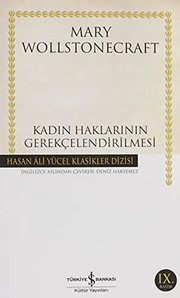
Mary Wollstonecraft (pronounced /ˈwʊlstən.krɑːft/; 27 April 1759 – 10 September 1797) was an eighteenth-century British writer, philosopher, and advocate of women's rights. During her brief career, she wrote novels, treatises, a travel narrative, a history of the French Revolution, a conduct book, and a children's book. Wollstonecraft is best known for A Vindication of the Rights of Woman (1792), in which she argues that women are not naturally inferior to men, but appear to be only because they lack education. She suggests that both men and women should be treated as rational beings and imagines a social order founded on reason.
Bibliografía (100 obras)


Original Stories, from Real Life; with Conversations, Calculated to Regulate the Affections, and Form the Mind to Truth and Goodness
2018






A Vindication of the Rights of men, in a Letter to the Right Honourable Edmund Burke (Collected Works of Mary Wollstonecraft)
2000
Vindication of the Rights of Men; a Vindication of the Rights of Woman; an Historical and Moral View of the French Revolution
1999








An historical and moral view of the origin and progress of the French Revolution and the effect it has produced in Europe
1795